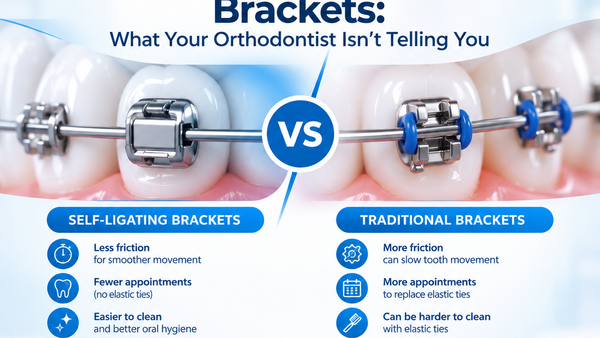
What Are Orthodontic Braces Made Of? Materials Explained for Clinical Professionals
Orthodontic braces have evolved significantly over the past decades. For modern orthodontic practices, understanding the materials used in braces is not just a matter of knowledge — it directly impacts treatment efficiency, biomechanics, patient comfort, and long-term outcomes.
From traditional stainless-steel systems to advanced nickel-titanium components and aesthetic ceramic brackets, each material serves a specific clinical function.
In this guide, we will break down the materials used in orthodontic braces, their properties, advantages, and how to choose the right option for different treatment plans.
1. The Core Components of Orthodontic Braces
Before discussing materials, it is essential to understand the primary structural components of fixed orthodontic systems:
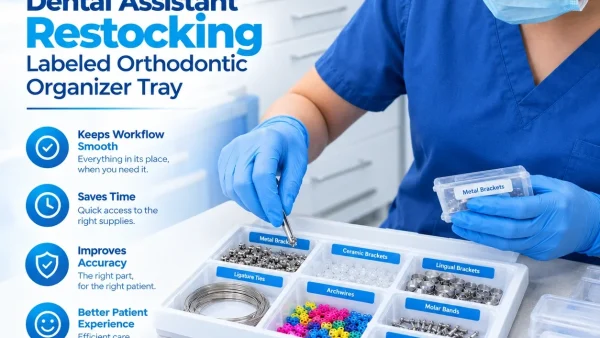
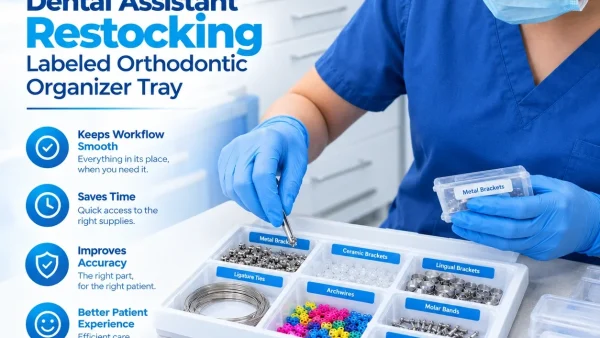
- Brackets
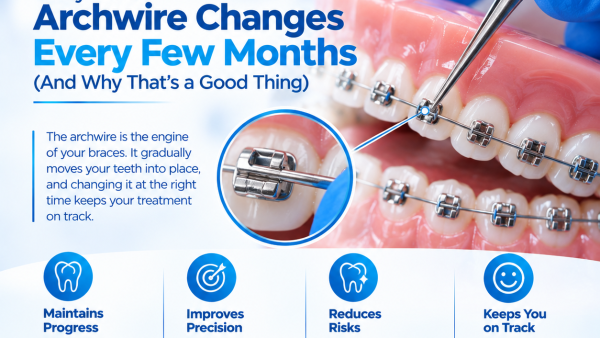
- Archwires
- Ligatures or self-ligating mechanisms
- Bands and buccal tubes
- Elastics
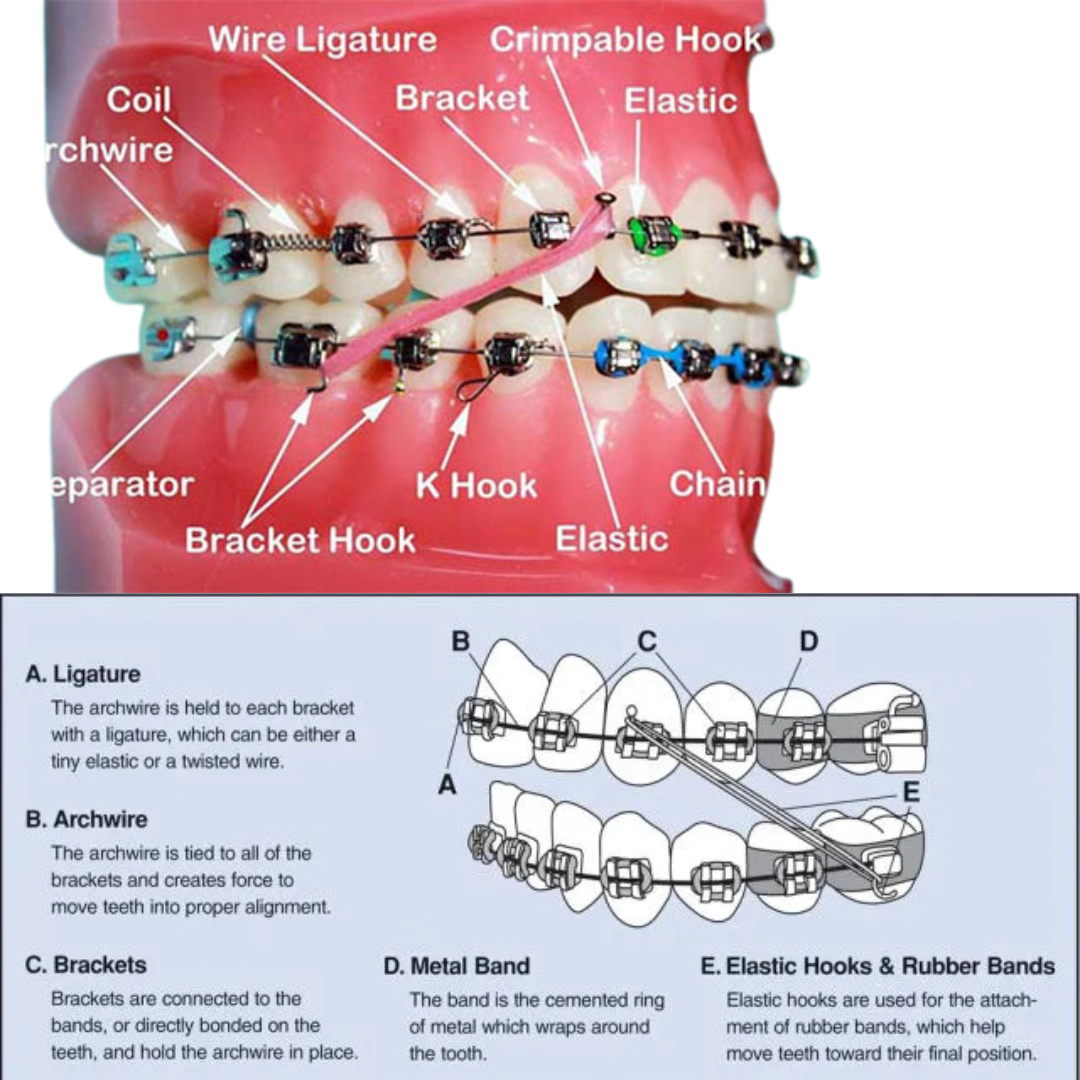
Each of these components is manufactured using specific materials designed to optimize force control, elasticity, durability, and biocompatibility.
2. What Are Orthodontic Brackets Made Of?
Brackets are the foundation of fixed appliance systems. The material composition determines friction levels, aesthetics, strength, and torque control.
A) Stainless Steel Brackets
The most widely used material in orthodontics.
Composition:
Medical-grade stainless steel alloy containing chromium and nickel.
Advantages:
- High strength and durability
- Excellent torque control
- Low fracture rate
- Cost-effective for practices
- High precision manufacturing
Clinical Indication:
Ideal for moderate to complex malocclusions where durability and mechanical control are priorities.

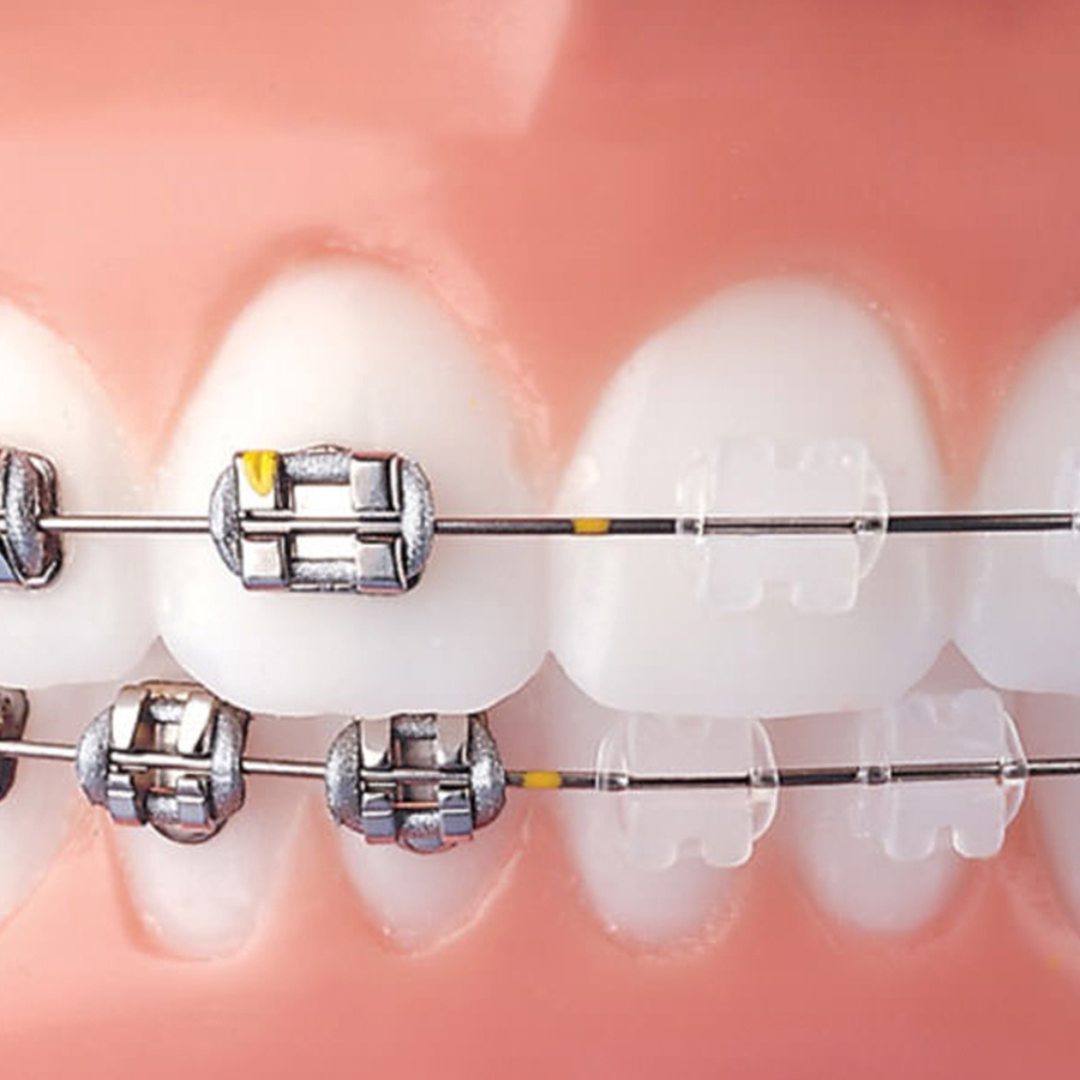
B) Ceramic Brackets
Developed to improve dental aesthetics while maintaining structural performance.
Composition:
Polycrystalline or monocrystalline aluminum oxide.
Advantages:
- Tooth-colored or translucent
- High patient acceptance
- Stain-resistant (depending on quality)
- Strong bonding capacity
Clinical Indication:
Preferred in adult orthodontic patients seeking aesthetic treatment options.
B) Ceramic Brackets
Developed to improve dental aesthetics while maintaining structural performance.
Composition:
Polycrystalline or monocrystalline aluminum oxide.
Advantages:
- Tooth-colored or translucent
- High patient acceptance
- Stain-resistant (depending on quality)
- Strong bonding capacity
Clinical Indication:
Preferred in adult orthodontic patients seeking aesthetic treatment options.
C) Beta-Titanium (TMA)
Provides a balance between flexibility and control.
Used in:
Intermediate phases requiring moderate force with flexibility.ns.
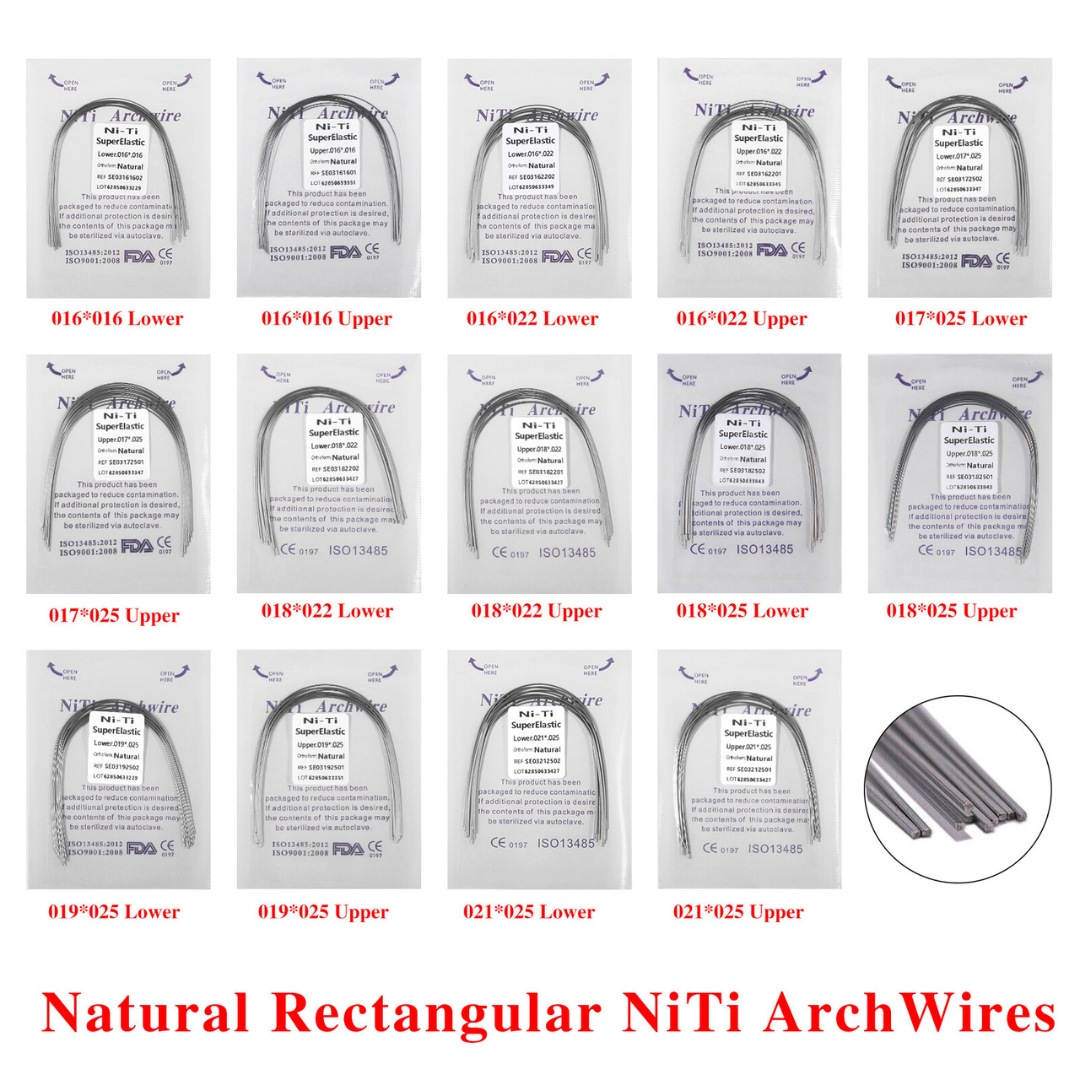
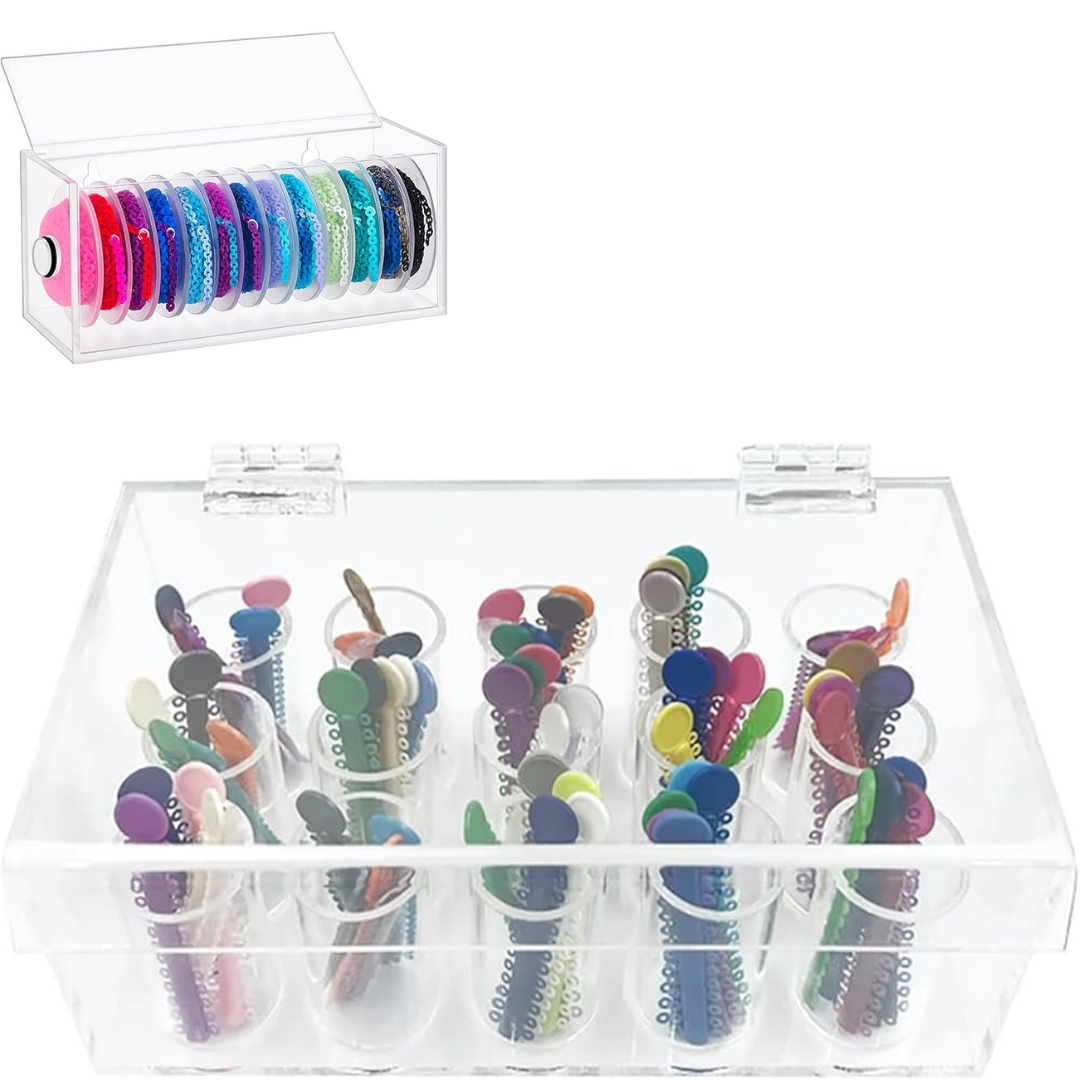
4. What Are Ligatures and Elastics Made Of?
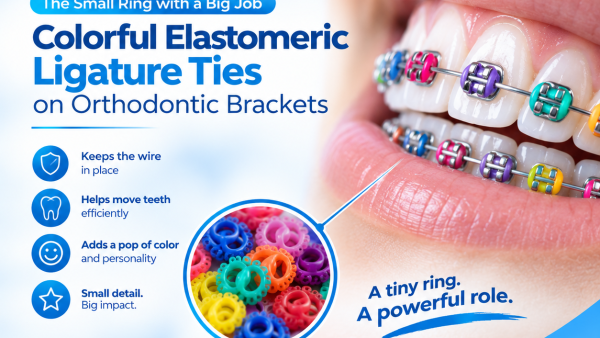
Elastomeric Ligatures
Made of medical-grade polyurethane elastomer.
- Flexible
- Color options available
- Economical
- Require regular replacement
Stainless Steel Ligatures
- Higher control
- Less friction variability
- Increased precision
Power Chains
Manufactured from elastic polymer materials designed for space closure.
5. Biocompatibility and Safety Standards
In the United States, orthodontic materials must comply with:
- FDA regulations
- ISO standards
- Biocompatibility testing
Professional orthodontic suppliers prioritize:
- Corrosion resistance
- Nickel release control
- Mechanical integrity
Choosing certified materials reduces risk of allergic reactions, breakage, and clinical complications.
6. How to Choose the Right Materials for Your Practice
Material selection should be based on:
- Case complexity
- Patient age
- Aesthetic demand
- Treatment phase
- Practice efficiency goals
- Budget considerations
High-quality materials improve:
- Treatment predictability
- Patient satisfaction
- Clinical workflow efficiency
- Long-term reputation of the practice
This is why sourcing from a reliable orthodontic supplier is critical.
7. The Evolution of Orthodontic Materials
Orthodontics has transitioned from bulky metal bands to:
- Low-profile brackets
- Advanced memory alloys
- Clear aligner-compatible systems
- Reduced-friction technologies
Material science continues to transform biomechanics and treatment time optimization.
Why Understanding Orthodontic Materials Matters for Professionals
For orthodontists and dental specialists, understanding material composition is not theoretical — it directly impacts:
- Force calibration
- Anchorage control
- Friction management
- Biological response
- Treatment duration
Clinics that use high-grade materials consistently report:
- Fewer bracket failures
- Improved torque expression
- More predictable finishing
- Higher patient satisfaction
Material knowledge strengthens clinical decision-making and practice profitability.
Conclusion
Orthodontic braces are composed of carefully engineered materials designed to balance strength, elasticity, aesthetics, and biocompatibility.
From stainless steel brackets to nickel-titanium archwires and elastomeric ligatures, each material plays a defined role in the success of orthodontic treatment.
For modern orthodontic professionals, selecting high-quality materials is not an expense — it is an investment in clinical excellence, operational efficiency, and long-term patient trust.
If your practice is looking to optimize treatment outcomes, upgrading to certified, high-performance orthodontic materials can make a measurable difference.
Explore Professional Orthodontic Supplies
Orthodontic practices depend on reliable materials and trusted suppliers to ensure consistent treatment outcomes and operational efficiency. At OrthodentalUSA Corp, we provide high-quality orthodontic instruments, brackets, wires, elastics, and clinical supplies used by professionals across the United States.
With over 30 years of experience in the orthodontic industry, our team focuses on delivering dependable products, competitive pricing, and fast nationwide shipping to support modern orthodontic practices.
You can explore our complete catalog of orthodontic products on our official website:
Our platform allows orthodontists and dental clinics to easily browse products, compare options, and order the materials they need for daily clinical operations.
Become a VIP Client & Access Exclusive Pricing
Join our VIP Client Program and access special pricing on orthodontic instruments and ligature cutters.
Apply here:
VIP admission requirements:
- Create an account in our online store
- Fill out the VIP application form
- Wait up to 72 hours for qualification
- Once approved, purchase at exclusive VIP pricing
Our VIP program is designed for orthodontic professionals who want to reduce supply costs while maintaining access to high-quality materials.
Get Up To 20% Off Your Orthodontic Supplies
VIP members can access discounts of up to 20% on all products available on our website.
To make the process easier, we created a short video explaining how to apply for the VIP program and start receiving these discounts.
Watch the step-by-step guide here:
🎥Here
By following the instructions in the video, orthodontic professionals can quickly complete the registration process and begin purchasing orthodontic supplies at exclusive VIP