
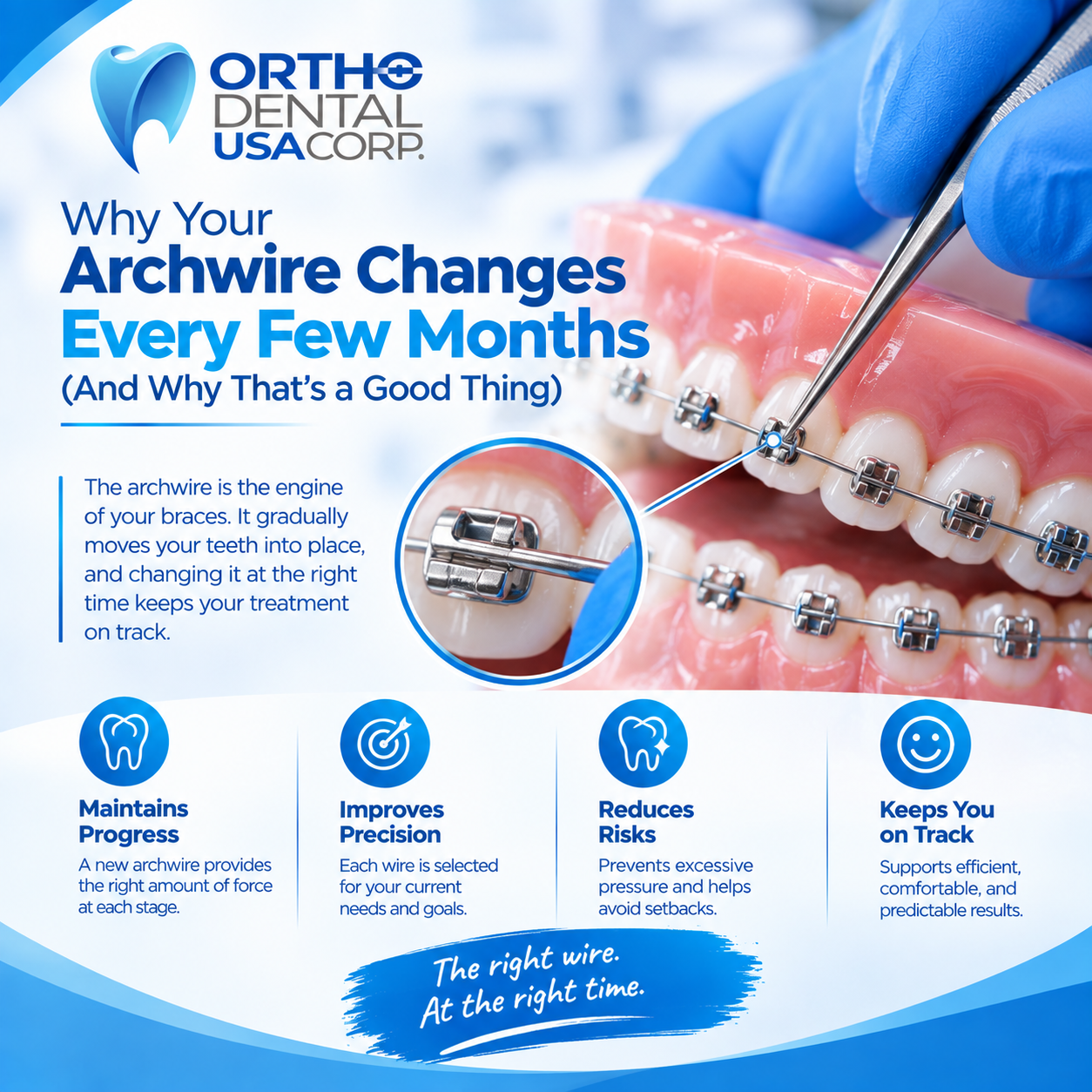
Why Your Archwire Changes Every Few Months (And Why That’s a Good Thing)
If you’ve ever left an orthodontic appointment wondering “didn’t I just get a new wire?”—you’re not imagining it. Wires do change, often, and it’s not because anyone’s guessing. Every swap is a calculated move in a much longer game of gentle, controlled force. Here’s what’s actually happening every time that wire gets replaced.
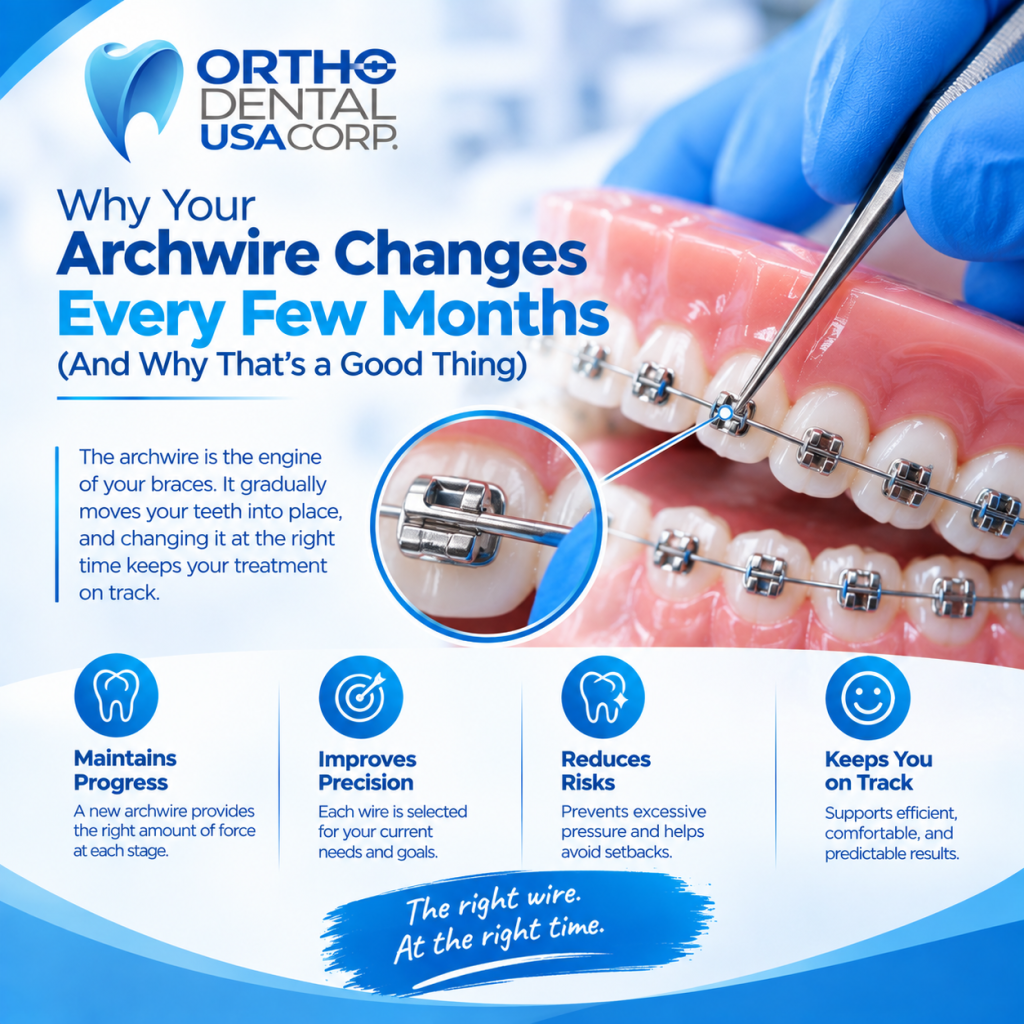
Wires Aren’t Interchangeable—They’re a Progression
Think of archwires less like a single tool and more like a training program. Early in treatment, teeth need a gentle, flexible nudge to start moving without the shock of too much force at once. Later, once teeth are aligned and it’s time for more precise adjustments, a stiffer, more rigid wire takes over. The wire isn’t upgraded because the last one “wore out”—it’s swapped because the job it needs to do has changed.
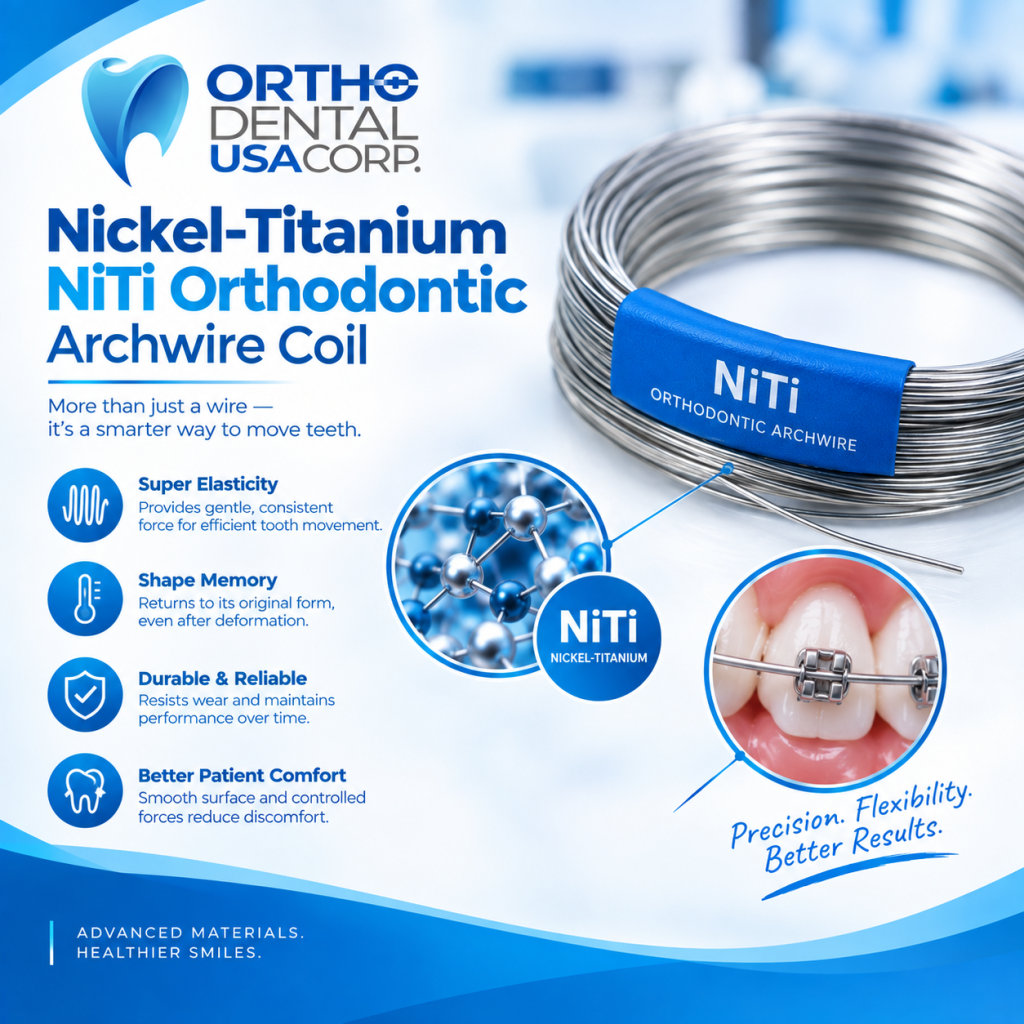
NiTi: The Wire That Remembers Its Shape
Nickel-titanium (NiTi) wires are usually the first ones patients meet. Their superpower is something called shape memory—bend them, and they gradually work their way back toward their original form, applying light, continuous force the whole way. That’s exactly what’s needed early on: steady pressure that moves teeth without overwhelming them or the surrounding bone.
NiTi wires also handle body heat in an interesting way—some are engineered to become more flexible at room temperature (easier to place) and firmer once warmed to mouth temperature, giving just enough push once they’re in.
Stainless Steel: The Reliable Finisher
Once teeth are largely aligned, stainless steel wires typically step in. They’re stiffer, hold their shape well, and are ideal for the fine-tuning stage—closing small gaps, adjusting bite alignment, and holding everything steady before the final stretch of treatment. Where NiTi is the patient coach easing things into motion, stainless steel is the strict finisher making sure everything lands exactly where it should.
So Why Does the Wire Keep Changing?
Because teeth don’t move in a straight line of effort—they move in stages, and each stage needs a different amount and type of force. A wire that’s perfect for month one would barely make a dent by month six, and a wire suited for month six would be too aggressive if used from day one. Regular wire changes are how an orthodontist keeps the force calibrated to exactly what the teeth need at that moment—no more, no less.
It’s less “swapping parts” and more “adjusting the training plan” as progress is made.
What This Means for Your Practice’s Inventory
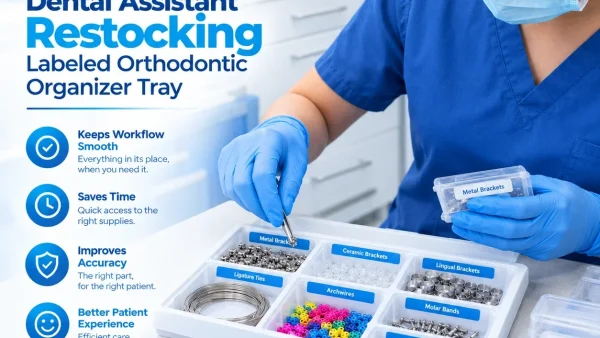
For clinics, this progression means keeping a reliable stock across the full range—light and mid-strength NiTi for early stages, and stainless steel in various dimensions for finishing work. Running short on any one stage doesn’t just delay a single visit; it can stall the treatment timeline for every patient currently at that stage, which is a scheduling headache nobody wants.
Frequently Asked Questions
Does a new wire mean my treatment is behind schedule? Not at all—a new wire is a sign of progress, not a delay. Getting a new wire means your teeth have already responded to the last one and are ready for the next phase.
Why does the new wire sometimes feel “different” for a few days? Because it genuinely is different—a stiffer or differently shaped wire applies force in a new way, so a few days of adjustment soreness is your teeth (politely) noticing the change.
Could my orthodontist just use one “super wire” for the whole treatment? If such a wire existed, every orthodontist on earth would already be using it. The honest answer is no—teeth need a evolving amount of force, and no single wire flexes enough at the start and holds firm enough at the finish to do both jobs well.
Do you need to stock up on NiTi or stainless steel wires in various gauges? Explore our Wires category or request VIP pricing for frequent orders.
Leave a comment