How to Choose the Right Orthodontic Materials for Your Practice: A Practical Clinical Guide
Selecting orthodontic materials is not simply a purchasing decision — it is a clinical strategy. The quality, composition, and performance of the materials used in daily orthodontic procedures directly influence treatment efficiency, biomechanical control, patient satisfaction, and long-term practice profitability.
With a wide range of orthodontic brackets, archwires, elastomerics, bonding agents, and auxiliary components available in the U.S. market, making informed decisions requires a structured approach.
This guide outlines the key criteria orthodontic professionals should consider when choosing materials for their practice.
1. Evaluate Clinical Objectives Before Product Selection
Before comparing brands or prices, define your clinical goals:
- Are you prioritizing efficiency in high-volume cases?
- Are aesthetics a major concern for your patient demographic?
- Do you treat complex malocclusions regularly?
- Is chair time reduction a priority?
Material selection should align with treatment philosophy and workflow structure.
2. Consider Material Properties and Biomechanical Performance
Different orthodontic materials provide different mechanical behaviors.
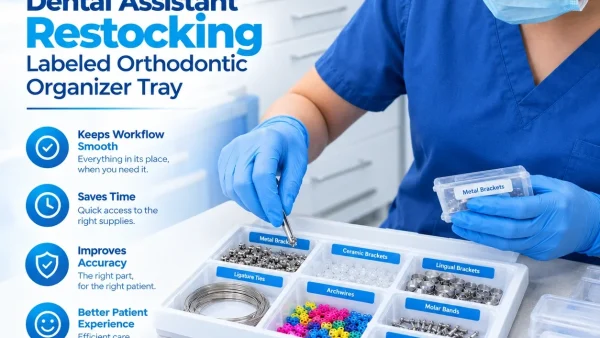
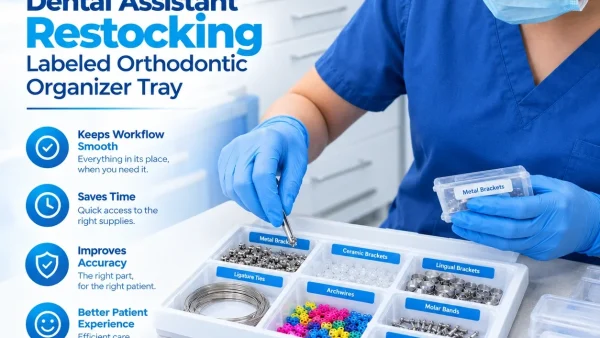
A) Bracket Material Considerations
- Stainless Steel → Maximum durability and torque control
- Ceramic → Aesthetic priority with acceptable strength
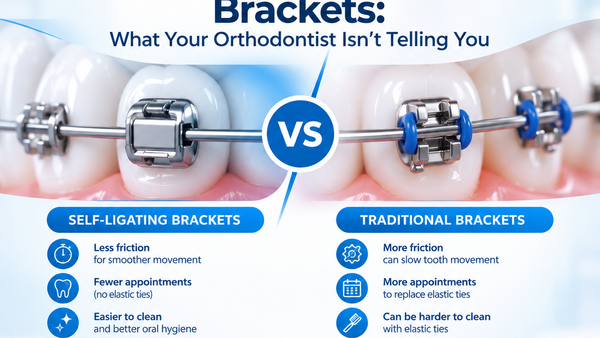
- Self-ligating systems → Reduced friction and faster archwire changes
When evaluating brackets, consider:
- Slot precision
- Base design for bonding strength
- Corrosion resistance
- Clip durability (for self-ligating systems)

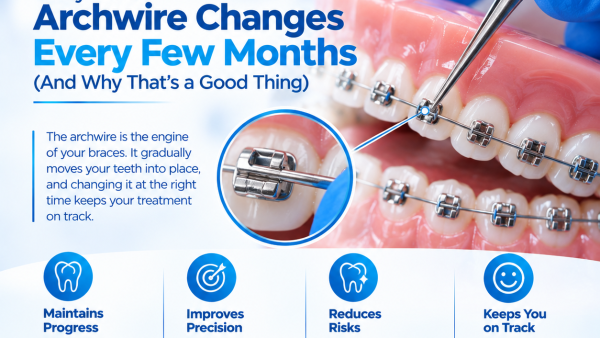
B) Archwire Material Selection
Archwires determine force delivery and movement predictability.
- Nickel-Titanium (NiTi) → Initial alignment and light continuous forces
- Stainless Steel → Finishing and torque control
- Beta-Titanium (TMA) → Controlled intermediate mechanics
Ask:
- Does the wire maintain consistent force over time?
- Is there evidence of premature deformation?
- Is it compatible with your bracket slot system?

3. Assess Biocompatibility and Regulatory Compliance
In the United States, orthodontic materials must comply with:
- FDA regulations
- ISO manufacturing standards
- Biocompatibility requirements
Low-quality materials may lead to:
- Increased bracket failure rates
- Inconsistent force expression
- Allergic reactions (nickel sensitivity)
- Higher long-term costs
Always verify supplier certifications and documentation.
4. Analyze Cost vs Performance — Not Just Price
One of the most common mistakes is choosing materials based solely on cost.
Instead, evaluate:
- Failure rate percentage
- Rebond frequency
- Time lost due to bracket breakage
- Chair time per archwire change
- Patient complaints
Lower upfront cost does not always mean higher profitability.
5. Consider Workflow Efficiency
Orthodontic materials impact daily operations.
For example:
- Self-ligating brackets may reduce chair time
- Pre-coated brackets may improve bonding efficiency
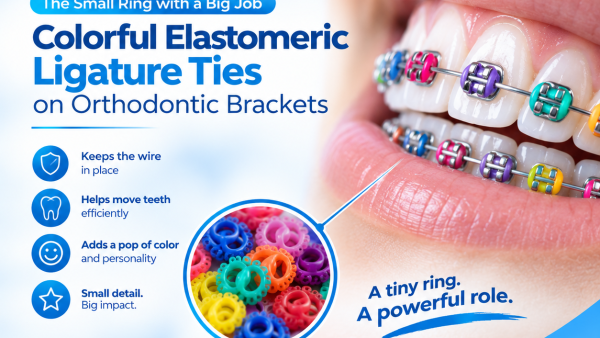
- High-elasticity power chains may reduce replacement frequency
Efficiency compounds over hundreds of cases per year.
If your practice handles a high volume of patients, operational flow becomes as important as clinical performance.
6. Evaluate Supplier Reliability
Even high-quality materials lose value if supply is inconsistent.
When selecting an orthodontic supplier, consider:
- Shipping speed within the U.S.
- Bulk order availability
- Inventory consistency
- Customer service responsiveness
- Warranty policies
Reliable logistics reduce treatment interruptions and emergency substitutions.
7. Adapt Material Selection to Treatment Phases
Not all materials are used throughout the entire orthodontic process.
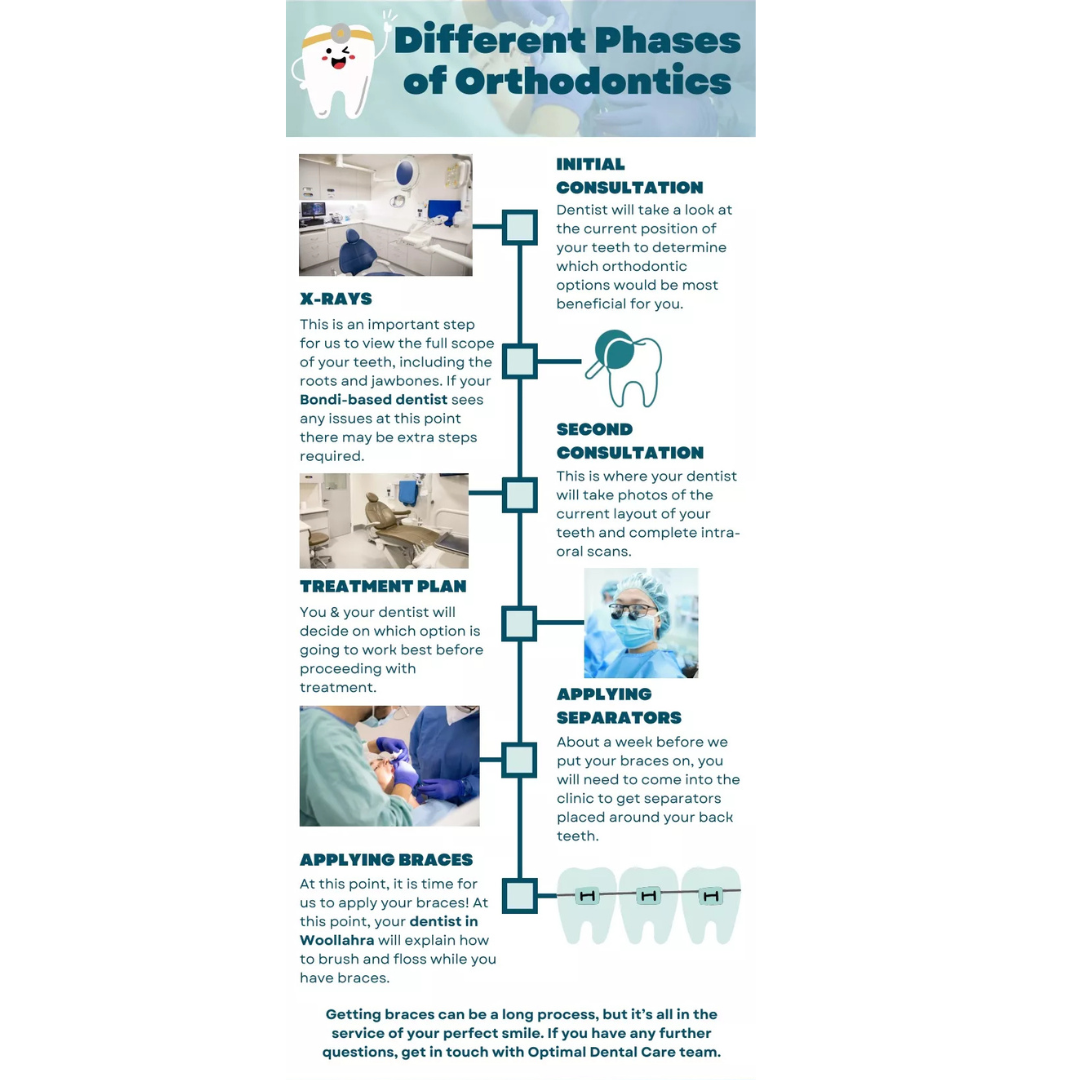
A strategic practice typically structures material usage by phase:
- Alignment → NiTi wires + low-friction brackets
- Working phase → Stainless steel or TMA wires
- Finishing → High-precision rectangular stainless steel wires
- Retention → High-quality retainers and bonding materials
Planning material transitions improves clinical predictability.
How High-Quality Materials Improve Treatment Outcomes
Clinics that consistently invest in certified, precision-engineered orthodontic materials report:
- Reduced emergency visits
- Lower bracket debond rates
- More accurate torque expression
- Shorter overall treatment time
- Higher patient satisfaction
Material consistency translates into clinical confidence.
Strategic Purchasing Tip for Orthodontic Practices
Instead of purchasing randomly, consider creating:
- A standardized material protocol
- Approved supplier list
- Quarterly bulk purchasing plan
- Performance tracking sheet for bracket failures
Structured purchasing turns materials into a strategic asset rather than a recurring expense.
Conclusion
Choosing the right orthodontic materials is a clinical and business decision.
Material quality affects biomechanics, workflow efficiency, patient experience, and long-term practice profitability.
By evaluating mechanical properties, regulatory compliance, supplier reliability, and cost-performance balance, orthodontic professionals can build a material system that supports both clinical excellence and operational growth.
Investing in reliable orthodontic materials is not simply about inventory — it is about delivering consistent, predictable, and high-quality orthodontic care.